Gallery
Sundials in place.
A small, growing collection of sundials across time and geography — academic, devotional, scientific, modern. Each image is credited to its photographer and licensed for reuse; follow a caption link back to Wikimedia Commons for full source metadata.
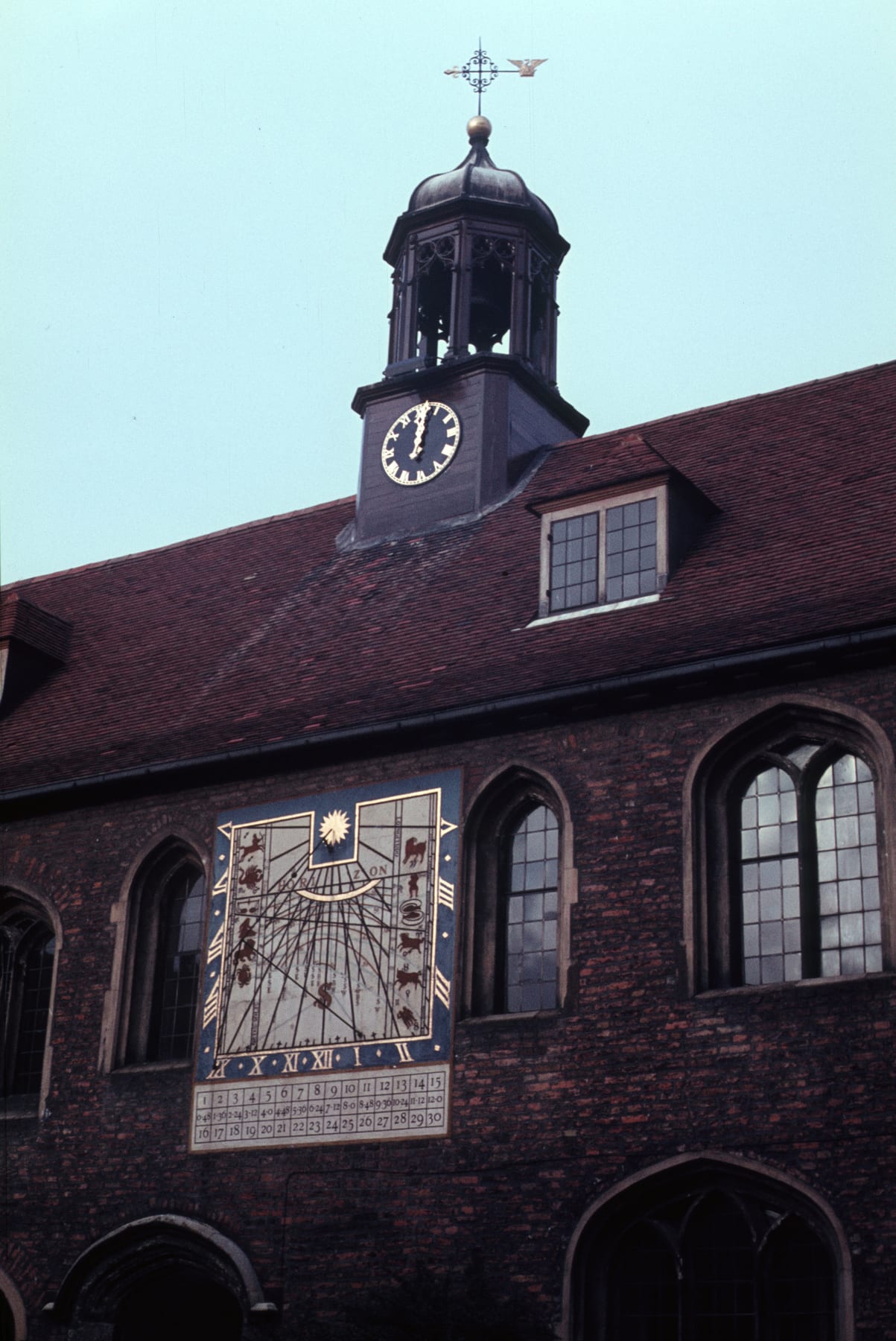
Queens' College, Cambridge — sundial and moondial, originally 1642, repainted and reinterpreted many times since.Photo: David Purchase / Wikimedia Commons, CC BY-SA 2.0 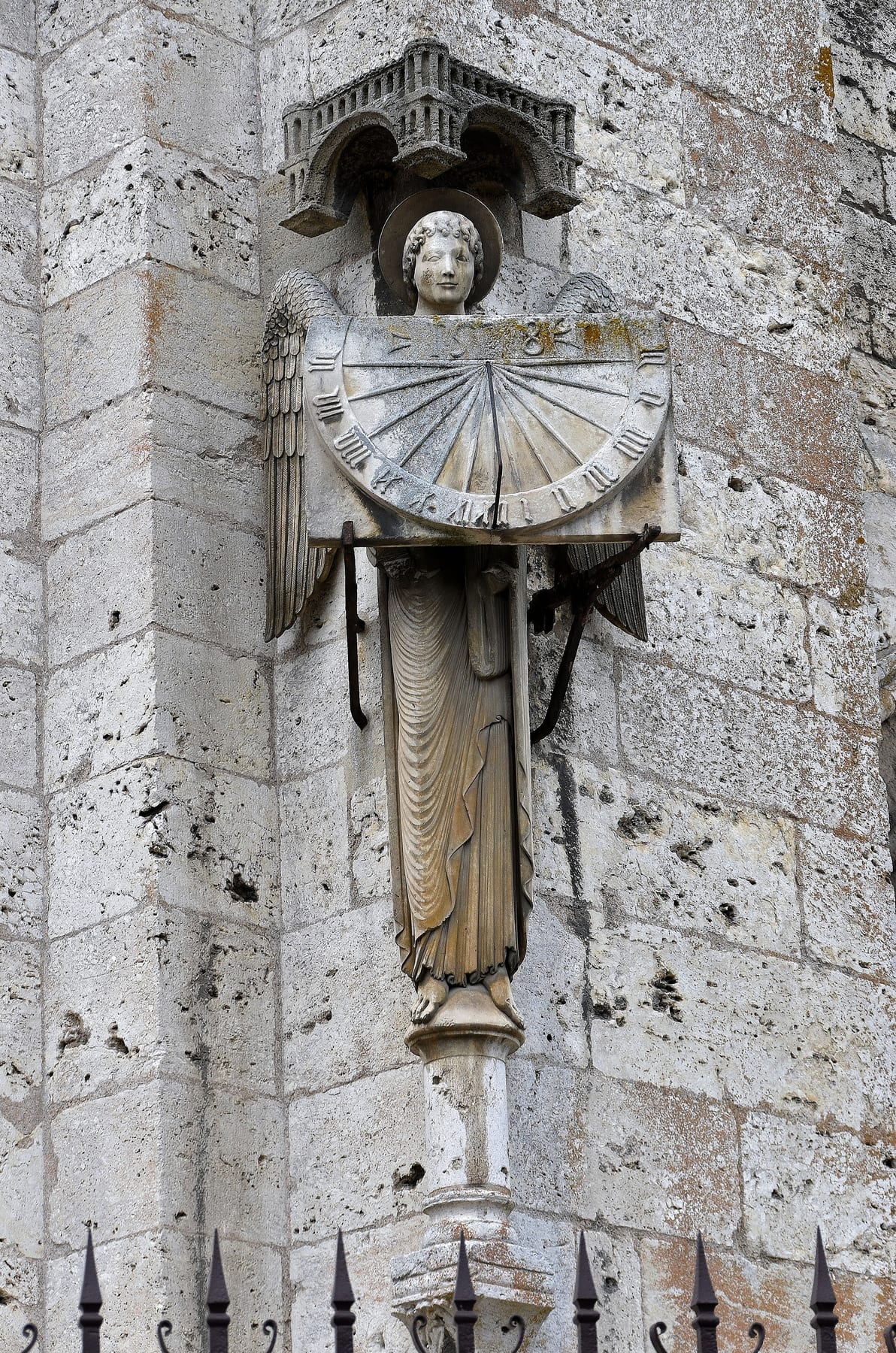
Chartres Cathedral — the Ange au cadran on the south facade, holding a sundial dated 1528.Photo: Patrick Monchicourt / Wikimedia Commons, CC BY-SA 2.0 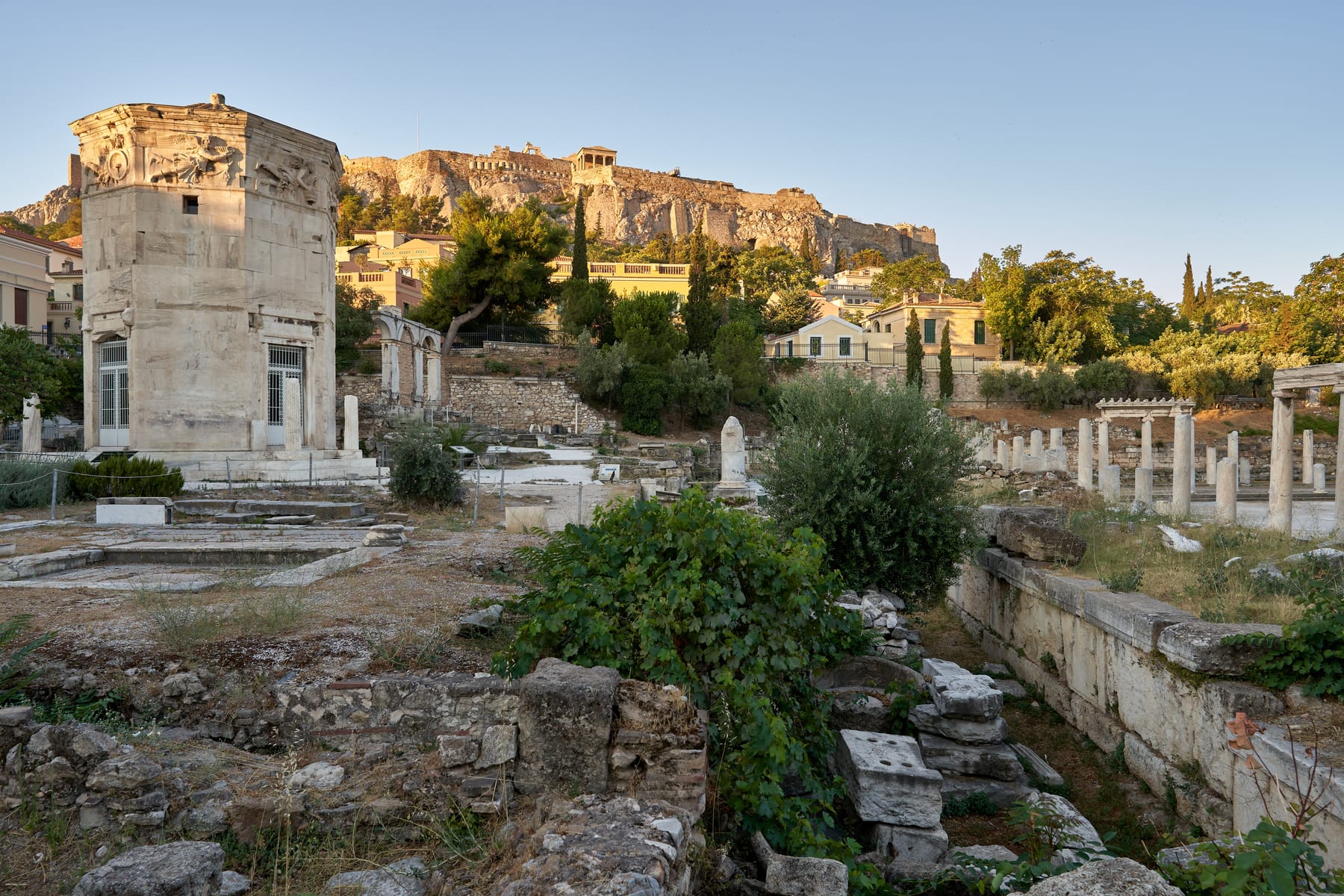
Athens — the Horologion of Andronikos Kyrrhestes, better known as the Tower of the Winds. 1st century BCE.Photo: George E. Koronaios / Wikimedia Commons, CC BY-SA 4.0 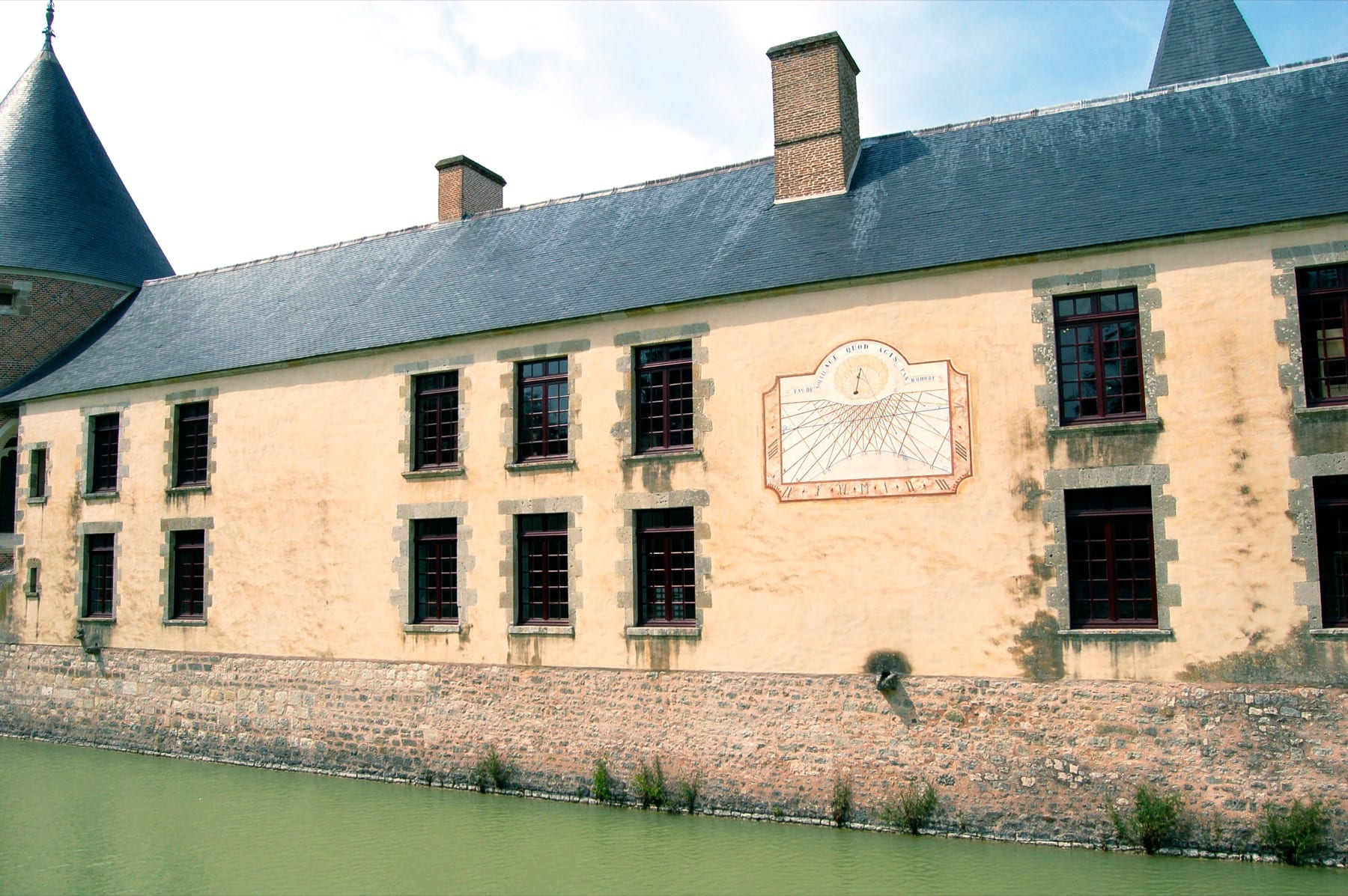
Chateau de Chamerolles, Loiret — a Renaissance-era wall sundial on a brick and stone facade.Photo: Cameron Parkins / Wikimedia Commons, CC BY 2.0 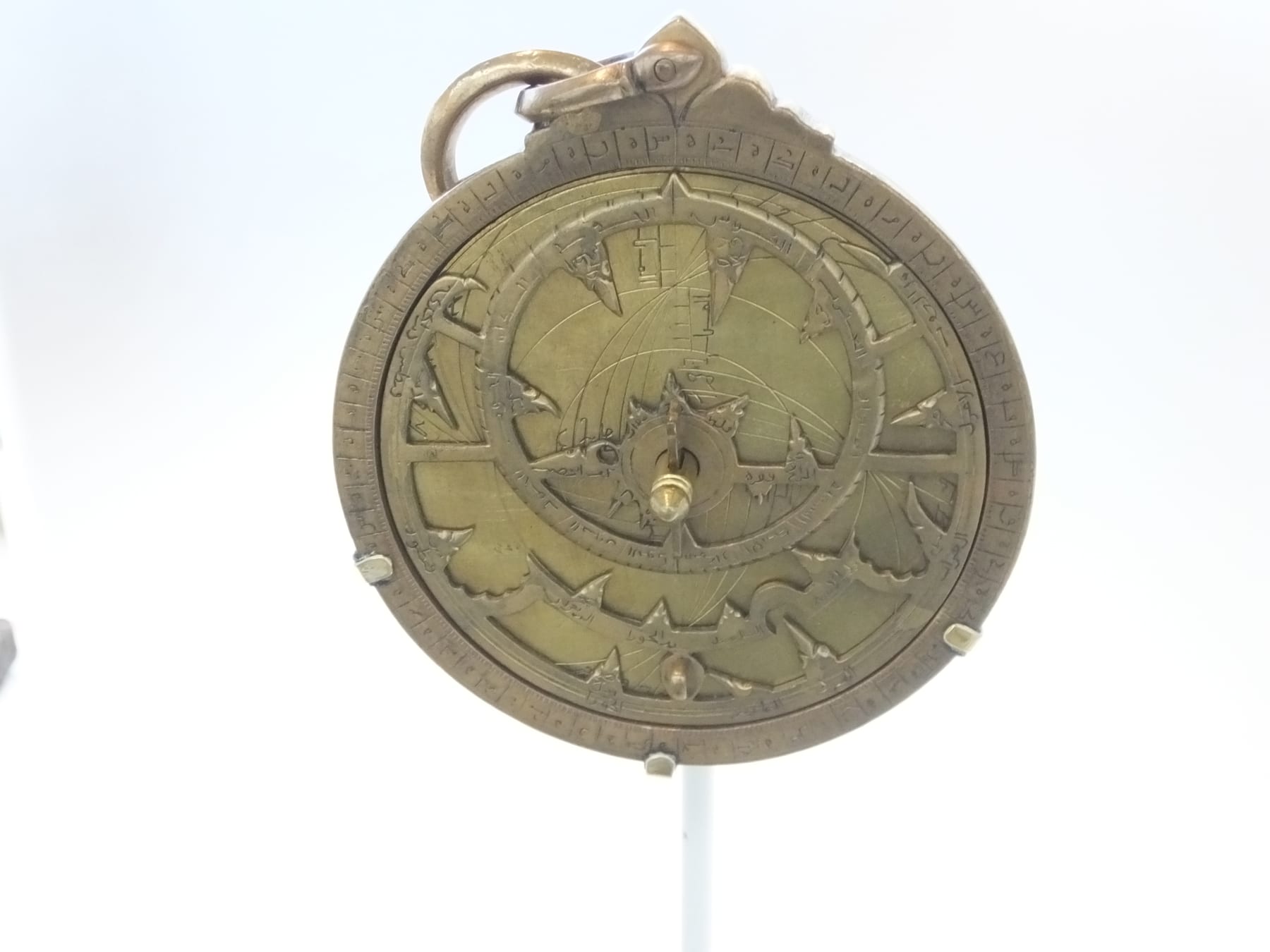
Damascus astrolabe, 1230 CE. A working instrument of the Islamic Golden Age, precursor to the modern sundial's geometry.Photo: Clem Rutter / Wikimedia Commons, CC BY-SA 3.0 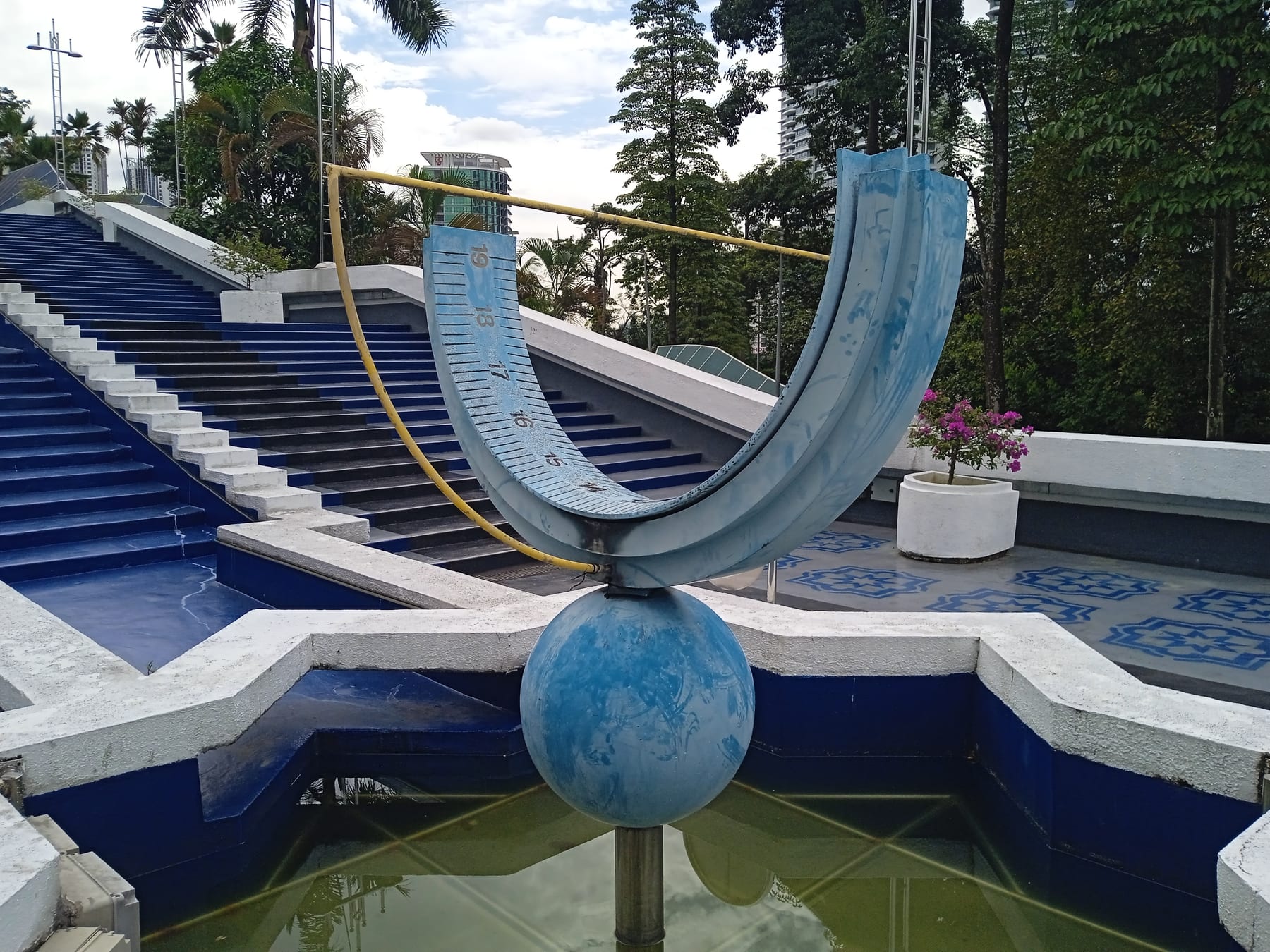
Planetarium Negara, Kuala Lumpur — a modern semi-equatorial installation, clean geometry in concrete and metal.Photo: Wiki Farazi / Wikimedia Commons, CC0 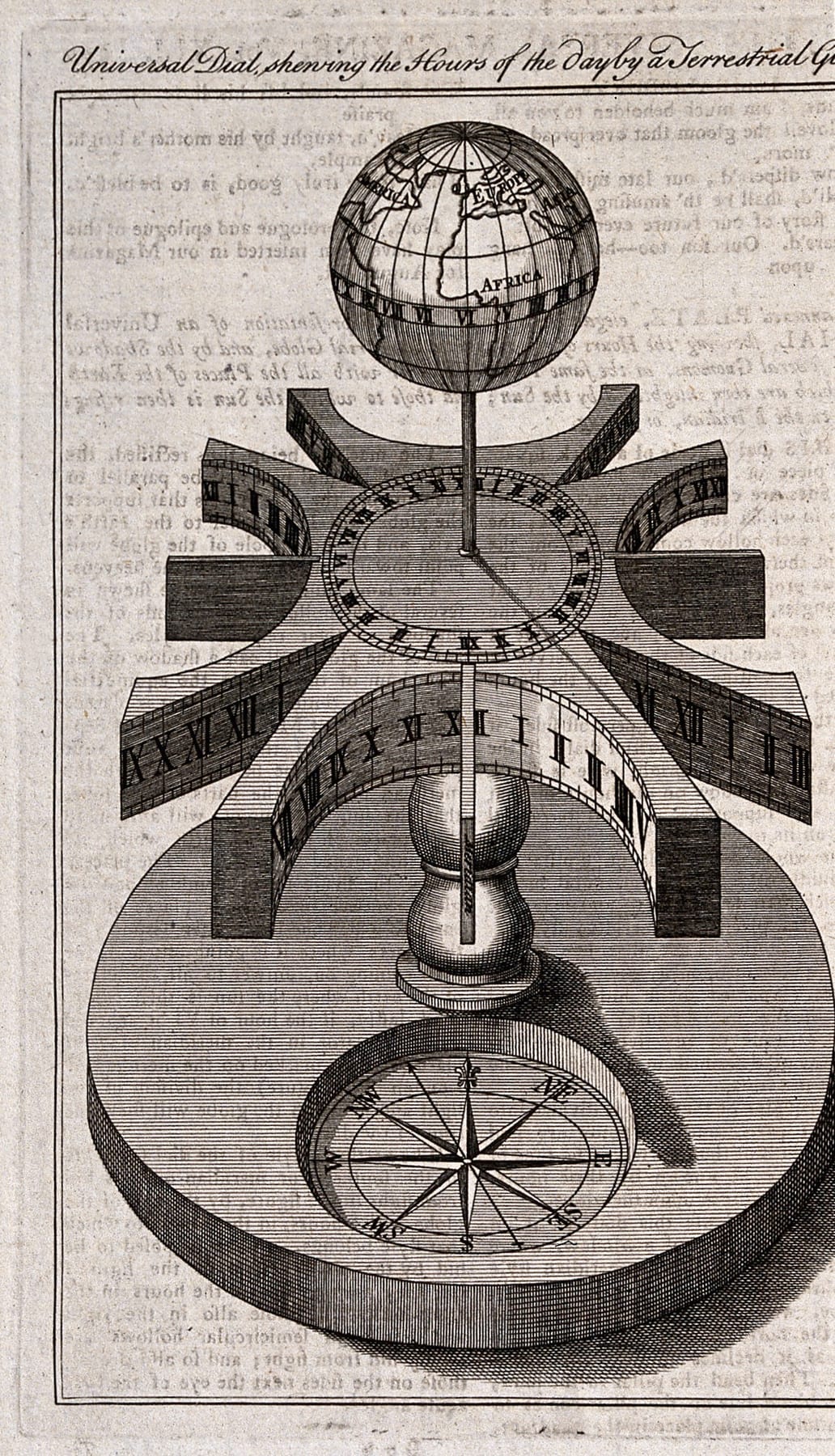
A universal sundial with compass — engraving held by the Wellcome Collection, date of original uncertain.Photo: Artist unknown / Wellcome Library, London / via Wikimedia Commons, CC BY 4.0